

-
AboutHebei Daniu Environmental Protection Dust Removal Equipment Co., Ltd. was established in September 2006, always focusing on the research and sales of environmental protection equipment and accessories.

-
ProductsAlways focused on the research and sales of environmental protection equipment and accessories. Provide comprehensive environmental dust removal solutions, including but not limited to industrial dust removal equipment, air purification equipment, noise control equipment, etc.
-
BlogWe adhere to the principle of integrity first and customer first, and strictly control the quality of our products from the whole machine to the small parts. Always focused on the research and sales of environmental protection equipment and accessories.

Efficient Powder Transport Solutions: Understanding Bucket Elevators
26-02-10
Summary:
In the realm of industrial equipment, the bucket elevator stands out as an essential tool for efficiently transporting powders. These devices are designed to elevate bulk materials vertically, making them particularly effective for industries that handle fine powders, granules, and other small particles. The construction of a bucket elevator typically includes a series of buckets attached to a cha
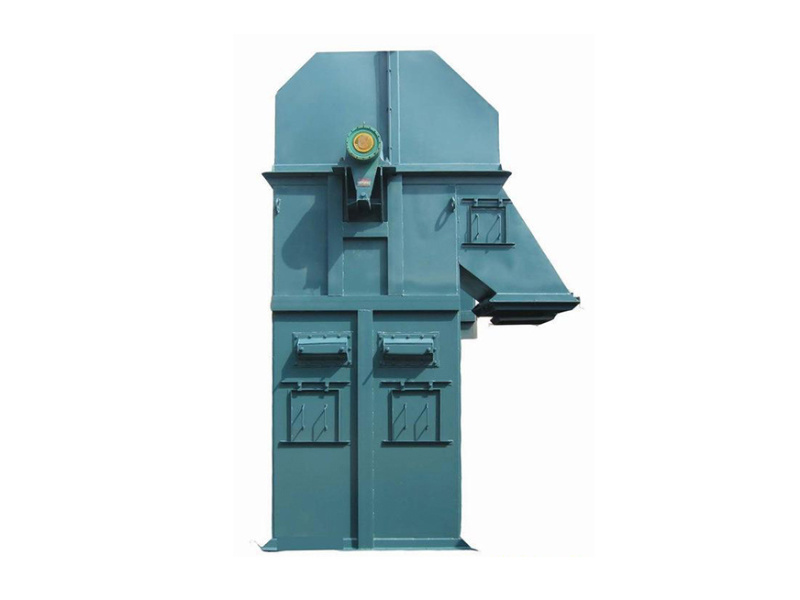
One of the primary advantages of a bucket elevator for powder transport is its ability to handle delicate materials without causing degradation. Unlike other transport methods that may involve excessive agitation or compression, bucket elevators are designed to lift powders gently. The buckets scoop up the material at the base and then transport it to the top, where it is discharged. This process minimizes the risk of dust generation and ensures that the integrity of the product is maintained.
In addition to their gentle handling, bucket elevators are known for their high capacity and versatility. They can be tailored to accommodate a wide range of powder types, from granular substances to fine powders, making them suitable for various industries, including food processing, pharmaceuticals, and chemicals. With the ability to transport large volumes of materials efficiently, they help optimize production processes and reduce downtime.
Moreover, bucket elevators can be designed to suit specific spatial requirements and operational needs. They can operate at different angles, with some designs allowing for steep inclines, thereby maximizing the use of available floor space. This adaptability makes them an ideal choice for facilities with limited room for extensive conveyor systems.
Another significant aspect of bucket elevators is their ease of maintenance. With fewer moving parts compared to other material handling equipment, bucket elevators generally require less frequent servicing, which can lead to reduced operational costs. Regular inspections and maintenance routines can further enhance their lifespan and ensure consistent performance.
Furthermore, the implementation of a bucket elevator system can significantly improve workplace safety. By automating the transport of powders, these systems minimize manual handling, reducing the risk of workplace injuries associated with heavy lifting. Additionally, the enclosed design of many bucket elevators helps contain powders, preventing exposure to dust and ensuring a safer working environment.
In summary, a bucket elevator for powder transport is an efficient and versatile solution for industries dealing with bulk materials. Its gentle handling, high capacity, space-saving design, and ease of maintenance make it a valuable asset in any production facility. Understanding the features and benefits of bucket elevators can help businesses optimize their material handling processes and enhance overall operational efficiency.



Contact Us
Cui Village, Fuzhen, Botou City, Cangzhou City, Hebei Province, China
Ask For A Quick Quote
We will contact you within one working day. Please pay attention to your email.