

-
AboutHebei Daniu Environmental Protection Dust Removal Equipment Co., Ltd. was established in September 2006, always focusing on the research and sales of environmental protection equipment and accessories.

-
ProductsAlways focused on the research and sales of environmental protection equipment and accessories. Provide comprehensive environmental dust removal solutions, including but not limited to industrial dust removal equipment, air purification equipment, noise control equipment, etc.
-
BlogWe adhere to the principle of integrity first and customer first, and strictly control the quality of our products from the whole machine to the small parts. Always focused on the research and sales of environmental protection equipment and accessories.

Maximizing Efficiency in Powder Transport with Bucket Elevators
26-02-28
Summary:
Bucket elevators are a fundamental component used in the industrial sector for the vertical transport of bulk materials, particularly powders. These systems are engineered to efficiently lift and transfer powdered substances from one location to another, ensuring smooth operations in various applications, such as food processing, pharmaceuticals, and chemical manufacturing. Understanding the mecha
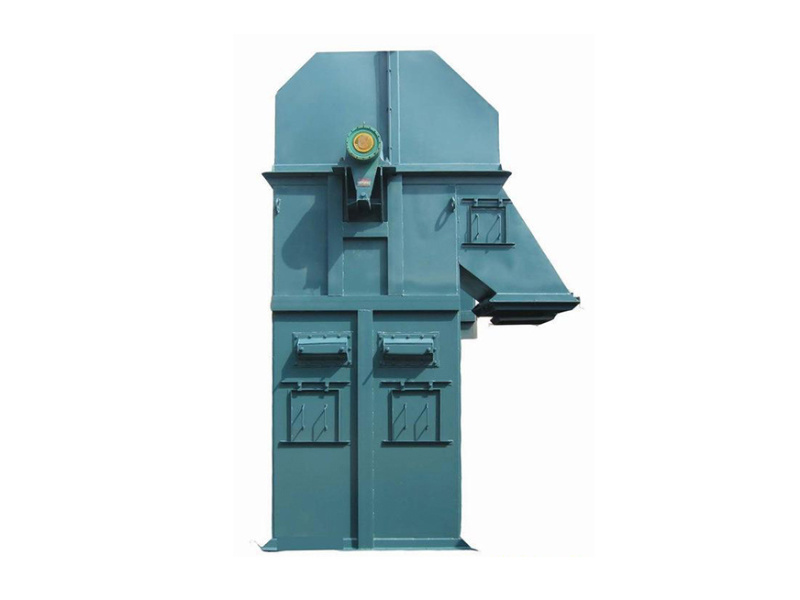
The design of a bucket elevator typically includes a series of buckets attached to a chain or belt. As the elevator operates, these buckets scoop up the powder from a lower level and elevate it to a higher level. The design allows for continuous operation, making it ideal for environments where large volumes of material need to be transported quickly and efficiently.
One of the primary advantages of using a bucket elevator for powder transport is its capacity to handle a wide range of powdered materials, from fine powders to coarser granules. The enclosed design of bucket elevators also minimizes dust emissions, which not only enhances worker safety but also ensures compliance with environmental regulations. Additionally, the vertical lift capability allows for efficient use of space, making them suitable for facilities with limited floor space.
When selecting a bucket elevator for powder transport, several factors must be considered, including the type of powder being handled, the desired throughput, and the elevation height. Professionals should also evaluate the material of the buckets and the chain or belt, as these components need to withstand the abrasive nature of certain powders. Maintenance is another crucial aspect; regular inspections and timely servicing of the elevator can significantly extend its operational life and minimize downtime.
In conclusion, bucket elevators serve as a vital solution for the efficient transport of powdered materials in industrial settings. Their unique design combines functionality and efficiency, making them an indispensable part of modern material handling systems. By understanding the key features and operational principles of bucket elevators, professionals can make informed decisions that enhance productivity and ensure safe and effective powder transport. Whether in food production or chemical processing, the implementation of a well-designed bucket elevator can lead to improved operational efficiency and reduced labor costs, solidifying its role as a key player in industrial equipment and components.
Previous page:



Contact Us
Cui Village, Fuzhen, Botou City, Cangzhou City, Hebei Province, China
Ask For A Quick Quote
We will contact you within one working day. Please pay attention to your email.