

-
AboutHebei Daniu Environmental Protection Dust Removal Equipment Co., Ltd. was established in September 2006, always focusing on the research and sales of environmental protection equipment and accessories.

-
ProductsAlways focused on the research and sales of environmental protection equipment and accessories. Provide comprehensive environmental dust removal solutions, including but not limited to industrial dust removal equipment, air purification equipment, noise control equipment, etc.
-
BlogWe adhere to the principle of integrity first and customer first, and strictly control the quality of our products from the whole machine to the small parts. Always focused on the research and sales of environmental protection equipment and accessories.

A Comprehensive Guide to Desulfurization Equipment Maintenance: Ensuring Optimal Performance and Longevity
26-03-29
Summary:
A Comprehensive Guide to Desulfurization Equipment Maintenance Table of Contents 1. Introduction to Desulfurization Equipment 2. Importance of Regular Maintenance 3. Types of Desulfurization Equipment 4. Essential Maintenance Tips for Desulfurization Equipment 5. Common Issues and Troubleshooting Techniques 6. Creating a Maintenance Schedule 7. Staff Training and Best
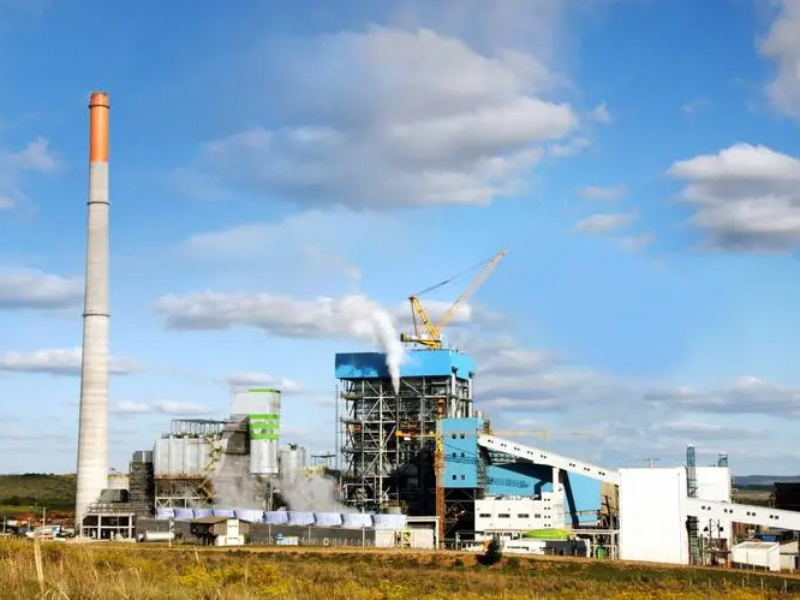
A Comprehensive Guide to Desulfurization Equipment Maintenance
Table of Contents
- 1. Introduction to Desulfurization Equipment
- 2. Importance of Regular Maintenance
- 3. Types of Desulfurization Equipment
- 4. Essential Maintenance Tips for Desulfurization Equipment
- 5. Common Issues and Troubleshooting Techniques
- 6. Creating a Maintenance Schedule
- 7. Staff Training and Best Practices
- 8. Environmental Impact and Compliance
- 9. Conclusion
- 10. Frequently Asked Questions
1. Introduction to Desulfurization Equipment
Desulfurization equipment plays a crucial role in reducing sulfur emissions in industrial processes. These systems are designed to remove sulfur compounds from gases, ensuring compliance with environmental regulations while protecting air quality. The effective operation of such equipment is vital not only for regulatory adherence but also for the overall health of the environment and public safety.
2. Importance of Regular Maintenance
Regular maintenance of desulfurization equipment is essential for several reasons:
- **Performance Optimization**: Consistent upkeep ensures that the equipment operates at maximum efficiency, reducing energy consumption and operational costs.
- **Extending Lifespan**: Proactive maintenance can significantly prolong the life of the equipment, saving on replacement costs.
- **Safety Compliance**: Many industries must adhere to strict safety regulations. Regularly maintained equipment is less likely to experience malfunctions that could lead to hazardous situations.
- **Environmental Protection**: Properly functioning desulfurization systems minimize emissions, contributing to cleaner air and compliance with environmental standards.
3. Types of Desulfurization Equipment
Understanding the types of desulfurization equipment is vital for effective maintenance. The major types include:
3.1 Wet Scrubbers
Wet scrubbers use liquid to capture and remove sulfur compounds from gas streams. These systems are often used in power plants and industrial facilities.
3.2 Dry Scrubbers
Dry scrubbers use a dry reagent to remove pollutants from gas streams. They are often more compact and can be less costly to operate than wet scrubbers.
3.3 Adsorbers
Adsorbers utilize solid materials to capture gases. Various types, such as activated carbon, are used depending on the specific application and requirements.
4. Essential Maintenance Tips for Desulfurization Equipment
To ensure the longevity and efficiency of desulfurization equipment, consider the following maintenance tips:
4.1 Regular Inspections
Conduct regular inspections of all components, including pumps, valves, and piping. Check for signs of wear, corrosion, or leaks. Addressing minor issues before they escalate can save time and money.
4.2 Clean Equipment Frequently
Dirt and buildup can impede the operation of desulfurization systems. Schedule regular cleaning of filters, nozzles, and scrubber internals to maintain performance levels.
4.3 Monitor Performance Metrics
Keep a close eye on key performance indicators, such as pressure drops and emission levels. Deviations from standard performance metrics can indicate underlying issues that require immediate attention.
4.4 Replace Wear Parts
Identify components that are prone to wear and tear, such as seals and gaskets. Establish a replacement schedule based on usage and manufacturer recommendations to prevent unexpected breakdowns.
5. Common Issues and Troubleshooting Techniques
Despite best maintenance practices, issues can arise. Here are some common problems and troubleshooting strategies:
5.1 Low Efficiency
If the desulfurization equipment exhibits low efficiency, check for blockage in the scrubber, inadequate reagent supply, or improper operating conditions.
5.2 Increased Pressure Drop
An unexpected increase in pressure drop can indicate fouling or blockages in the system. Inspect ductwork and filters for clogs and clean or replace as necessary.
5.3 Equipment Noise
Unusual noises can signal mechanical issues. Listen for grinding or rattling sounds, which may indicate problems with bearings or fan operation. Investigate and resolve issues promptly.
6. Creating a Maintenance Schedule
A structured maintenance schedule is crucial for effective equipment management.
6.1 Daily Checks
Perform daily inspections of control panels, fluid levels, and emissions data.
6.2 Weekly Maintenance
Examine filters, conduct minor cleaning, and check for leaks.
6.3 Monthly and Quarterly Tasks
Schedule comprehensive inspections, replace worn components, and perform deep cleaning of all systems.
7. Staff Training and Best Practices
Investing in staff training is essential for maintaining high operational standards.
7.1 Training Programs
Implement training programs covering equipment operation, maintenance protocols, and safety practices.
7.2 Knowledge Sharing
Encourage knowledge sharing among staff to build a culture of proactive maintenance and problem-solving.
8. Environmental Impact and Compliance
Desulfurization equipment directly impacts environmental sustainability. Regular maintenance not only enhances performance but also ensures that emissions remain within regulatory limits. Understanding local environmental laws regarding emissions can help organizations avoid costly fines and contribute positively to their communities.
9. Conclusion
In conclusion, maintaining desulfurization equipment is a multifaceted task that requires attention to detail, regular inspections, and proactive strategies. By following best practices outlined in this guide, industries can optimize the performance of their desulfurization systems, extend their lifespan, and remain compliant with environmental regulations. Investing in proper maintenance not only protects the equipment but also promotes a cleaner, healthier environment for all.
10. Frequently Asked Questions
10.1 What is desulfurization equipment used for?
Desulfurization equipment is used to remove sulfur compounds from emissions in industrial processes, ensuring compliance with environmental regulations.
10.2 How often should desulfurization equipment be maintained?
Maintenance schedules can vary, but regular checks should be performed daily, with more thorough inspections and cleaning activities conducted weekly, monthly, and quarterly.
10.3 What are the common types of desulfurization equipment?
Common types include wet scrubbers, dry scrubbers, and adsorbers, each serving different industrial needs.
10.4 How can I identify issues with my desulfurization equipment?
Monitor performance metrics, conduct regular inspections, and listen for unusual noises that could indicate underlying problems.
10.5 What are the benefits of maintaining desulfurization equipment?
Regular maintenance optimizes performance, extends the lifespan of the equipment, ensures safety compliance, and minimizes environmental impact.
Previous page:



Contact Us
Cui Village, Fuzhen, Botou City, Cangzhou City, Hebei Province, China
Ask For A Quick Quote
We will contact you within one working day. Please pay attention to your email.