

-
AboutHebei Daniu Environmental Protection Dust Removal Equipment Co., Ltd. was established in September 2006, always focusing on the research and sales of environmental protection equipment and accessories.

-
ProductsAlways focused on the research and sales of environmental protection equipment and accessories. Provide comprehensive environmental dust removal solutions, including but not limited to industrial dust removal equipment, air purification equipment, noise control equipment, etc.
-
BlogWe adhere to the principle of integrity first and customer first, and strictly control the quality of our products from the whole machine to the small parts. Always focused on the research and sales of environmental protection equipment and accessories.

Comparing Bucket Elevators: Which Type is Best for Your Powder Transport?
26-04-08
Summary:
Comparing Bucket Elevators: Which Type is Best for Your Powder Transport? In the world of industrial equipment and components, specifically in the realm of powder transport, bucket elevators play a crucial role. These powerful machines are designed to move bulk materials efficiently, particularly powders and granular substances. With different types of bucket elevators available, selecting the rig
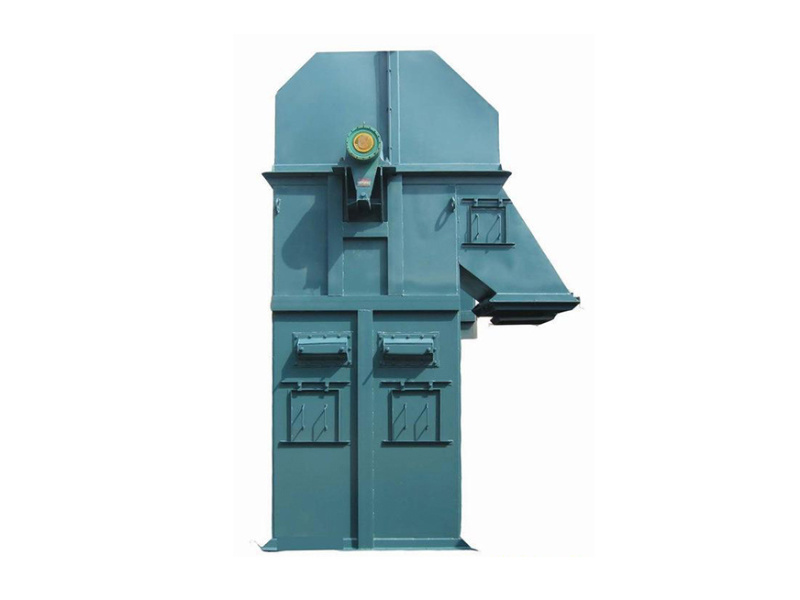
Comparing Bucket Elevators: Which Type is Best for Your Powder Transport?
In the world of industrial equipment and components, specifically in the realm of powder transport, bucket elevators play a crucial role. These powerful machines are designed to move bulk materials efficiently, particularly powders and granular substances. With different types of bucket elevators available, selecting the right one for your specific needs can seem daunting. In this comprehensive guide, we will explore the various types of bucket elevators, their advantages and disadvantages, and how to determine which is best suited for your powder transport needs.
Table of Contents
- 1. Introduction to Bucket Elevators
- 2. Types of Bucket Elevators
- 2.1 Centrifugal Bucket Elevators
- 2.2 Continuous Bucket Elevators
- 2.3 Z-Type Bucket Elevators
- 2.4 Custom Design Bucket Elevators
- 3. Advantages and Disadvantages of Each Type
- 4. Criteria for Selecting the Right Bucket Elevator
- 5. Maintenance and Care for Bucket Elevators
- 6. Industry Applications of Bucket Elevators
- 7. Future Trends in Bucket Elevator Technology
- 8. Conclusion
- 9. FAQs
1. Introduction to Bucket Elevators
Bucket elevators, also known as grain legs, are vital in the transport of bulk materials, especially in industries such as agriculture, mining, and food processing. These machines utilize buckets attached to a belt or chain to lift materials vertically. They are particularly effective for transporting powders and granular materials, making them indispensable in various industrial applications.
Understanding the different types of bucket elevators can significantly impact your operational efficiency and material handling processes. With the right choice, you can enhance productivity and minimize downtime, ultimately leading to cost savings.
2. Types of Bucket Elevators
Bucket elevators can be categorized into several types based on their design, functionality, and application. Here, we will examine some of the most common types:
2.1 Centrifugal Bucket Elevators
Centrifugal bucket elevators are designed for high-speed operation and are ideal for handling free-flowing powdery materials. These elevators utilize a chain or belt system that moves the buckets at a high speed, allowing for efficient material transport. The centrifugal force generated by the rapid movement of the buckets helps to discharge the material at the top of the elevator.
**Advantages:**
- High throughput capacity.
- Suitable for free-flowing powders.
- Ideal for vertical transportation.
**Disadvantages:**
- Not suitable for fragile materials, as the high-speed discharge can cause breakage.
- Limited ability to handle sticky materials.
2.2 Continuous Bucket Elevators
Continuous bucket elevators operate at lower speeds compared to centrifugal models. They are designed to handle both delicate and sticky materials, ensuring minimal damage during transport. The buckets in continuous elevators are spaced further apart, allowing for a continuous flow of materials.
**Advantages:**
- Gentle handling of fragile materials.
- Flexibility in handling a variety of materials.
- Reduced risk of product degradation.
**Disadvantages:**
- Lower capacity compared to centrifugal elevators.
- Requires careful maintenance to avoid blockages.
2.3 Z-Type Bucket Elevators
Z-type bucket elevators, also known as Z-conveyors, are designed to transport materials from one level to another while changing direction. These elevators are suitable for applications where space is limited, as they can convey materials in a zigzag pattern.
**Advantages:**
- Space-saving design for limited areas.
- Versatile for different material types and sizes.
- Efficient for complex routing of materials.
**Disadvantages:**
- May require more maintenance due to the complexity of the design.
- Potential for increased wear on certain components.
2.4 Custom Design Bucket Elevators
For unique applications, custom-design bucket elevators can be engineered to meet specific requirements. This type of elevator can be tailored to handle particular materials, capacities, and operational environments.
**Advantages:**
- Tailored solutions for specific needs.
- Maximum efficiency and performance.
- Adaptable to various industrial settings.
**Disadvantages:**
- Higher initial investment costs.
- Longer lead time for design and manufacturing.
3. Advantages and Disadvantages of Each Type
Choosing the right type of bucket elevator often involves weighing the advantages and disadvantages of each option. Here’s a summary to help in your decision-making:
| Type | Advantages | Disadvantages |
|--------------------------------|---------------------------------------------------|--------------------------------------------|
| **Centrifugal Bucket Elevators** | High speed and throughput | Not suitable for fragile materials |
| **Continuous Bucket Elevators** | Gentle handling, versatile | Lower capacity than centrifugal types |
| **Z-Type Bucket Elevators** | Space-saving, efficient routing | More complex maintenance |
| **Custom Design Elevators** | Tailored solutions for specific needs | Higher costs and longer lead times |
4. Criteria for Selecting the Right Bucket Elevator
When choosing a bucket elevator for your powder transport needs, consider the following criteria:
4.1 Material Properties
Assess the properties of the material you intend to transport, including flowability, particle size, and moisture content. This will help identify the suitable type of bucket elevator.
4.2 Application Requirements
Evaluate the specific application requirements, such as the required capacity, height of transport, and whether the materials are fragile or sticky.
4.3 Space Constraints
Consider the available space for installation. If space is limited, a Z-type or custom-design bucket elevator might be the best option.
4.4 Maintenance and Support
Look into the maintenance needs of the chosen bucket elevator. Selecting a model that aligns with your maintenance capabilities will ensure long-term operational efficiency.
5. Maintenance and Care for Bucket Elevators
Proper maintenance is essential for the longevity and efficient operation of bucket elevators. Here are some key maintenance practices:
5.1 Regular Inspections
Conduct regular inspections to identify wear and tear, ensuring that all components, including belts, chains, and buckets, are in good working condition.
5.2 Lubrication
Ensure that moving parts are properly lubricated to minimize friction and prevent premature wear.
5.3 Cleaning
Keep the bucket elevator clean to prevent material build-up, which can lead to blockages and reduce efficiency.
6. Industry Applications of Bucket Elevators
Bucket elevators are utilized in various industries due to their versatility. Here are some common applications:
6.1 Food Processing
In food processing, bucket elevators transport grains, flour, and other powdered ingredients safely while adhering to hygiene standards.
6.2 Agriculture
Agriculture heavily relies on bucket elevators for grain handling, ensuring efficient transport from storage to processing facilities.
6.4 Chemicals and Plastics
Chemical and plastic industries utilize bucket elevators for transporting powdered and granular materials, maintaining integrity throughout the process.
7. Future Trends in Bucket Elevator Technology
As technology evolves, so does the design and functionality of bucket elevators. Some future trends include:
7.1 Automation and Control Systems
The integration of advanced automation systems allows for better control and monitoring of bucket elevator operations, enhancing efficiency and safety.
7.2 Improved Materials
Future bucket elevators may utilize advanced materials for construction, enhancing durability and reducing maintenance needs.
7.3 Energy Efficiency
New designs focus on energy-efficient operations to reduce costs and environmental impact.
8. Conclusion
In conclusion, selecting the right bucket elevator for your powder transport needs involves a careful evaluation of various factors, including material properties, application requirements, available space, and maintenance capabilities. By understanding the types of bucket elevators and their respective advantages and disadvantages, you can make an informed decision that enhances your operational efficiency and productivity.
Investing time in choosing the right equipment will pay dividends in terms of reduced downtime, increased throughput, and overall satisfaction with your material handling processes.
9. FAQs
1. What is the primary function of a bucket elevator?
The primary function of a bucket elevator is to transport bulk materials vertically, particularly powders and granular substances.
2. How do I determine the right bucket elevator for my application?
Consider factors such as material properties, application requirements, space constraints, and maintenance needs to determine the right bucket elevator.
3. What types of materials can bucket elevators transport?
Bucket elevators can transport a wide range of materials, including grains, powders, granules, and even some sticky substances.
4. How often should bucket elevators be maintained?
Regular maintenance should be conducted based on usage, but it's generally advisable to perform inspections at least once a month and more frequently for high-usage systems.
5. Can bucket elevators be customized for specific needs?
Yes, many manufacturers offer custom design options for bucket elevators to meet specific material handling requirements and applications.
Previous page:



Contact Us
Cui Village, Fuzhen, Botou City, Cangzhou City, Hebei Province, China
Ask For A Quick Quote
We will contact you within one working day. Please pay attention to your email.