

-
AboutHebei Daniu Environmental Protection Dust Removal Equipment Co., Ltd. was established in September 2006, always focusing on the research and sales of environmental protection equipment and accessories.

-
ProductsAlways focused on the research and sales of environmental protection equipment and accessories. Provide comprehensive environmental dust removal solutions, including but not limited to industrial dust removal equipment, air purification equipment, noise control equipment, etc.
-
BlogWe adhere to the principle of integrity first and customer first, and strictly control the quality of our products from the whole machine to the small parts. Always focused on the research and sales of environmental protection equipment and accessories.

Integrating Automation with Bucket Elevators for Enhanced Powder Transport
26-06-17
Summary:
Integrating Automation with Bucket Elevators for Enhanced Powder Transport Table of Contents 1. Introduction to Bucket Elevators and Automation 2. Understanding Bucket Elevators: Components and Functionality 3. The Importance of Automation in Material Handling 4. Benefits of Integrating Automation with Bucket Elevators 5. Key Technologies Driving Automation in Powder Transport
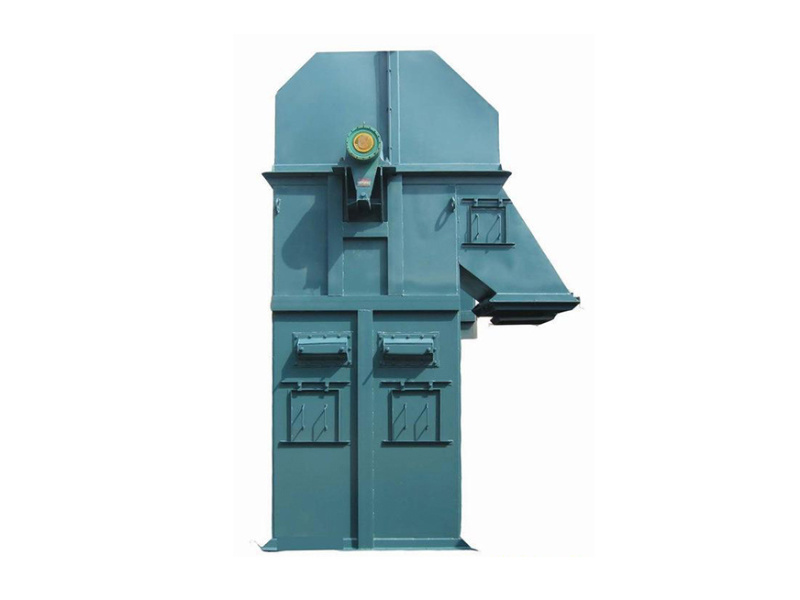
Integrating Automation with Bucket Elevators for Enhanced Powder Transport
Table of Contents
- 1. Introduction to Bucket Elevators and Automation
- 2. Understanding Bucket Elevators: Components and Functionality
- 3. The Importance of Automation in Material Handling
- 4. Benefits of Integrating Automation with Bucket Elevators
- 5. Key Technologies Driving Automation in Powder Transport
- 6. Best Practices for Integrating Automation with Bucket Elevators
- 7. Real-World Applications of Automated Bucket Elevators
- 8. Challenges in Integration and Solutions
- 9. Future Trends in Automated Powder Transport Systems
- 10. Frequently Asked Questions
- 11. Conclusion
1. Introduction to Bucket Elevators and Automation
In the realm of industrial equipment, **bucket elevators** stand out as vital components for the efficient transport of bulk materials, especially powders. With the rapid advancement of technology, integrating **automation** into these systems has become essential for optimizing performance, enhancing safety, and reducing operational costs. This article delves into the integration of automation with bucket elevators, showcasing how this synergy can significantly improve powder transport operations across various industries.
2. Understanding Bucket Elevators: Components and Functionality
Bucket elevators are mechanical devices used for vertical lifting of bulk materials. They consist of several key components:
2.1 Key Components of Bucket Elevators
- **Buckets**: The containers that hold the material during transport, available in various shapes and sizes suited for different applications.
- **Belt or Chain**: The mechanism that drives the buckets upward. The choice between belt and chain depends on the characteristics of the material being transported and the desired efficiency.
- **Head and Boot Assembly**: The head is located at the top and includes the discharge chute, while the boot is at the bottom, facilitating material intake.
- **Drive Mechanism**: Typically includes a motor and gear system that powers the belt or chain, ensuring smooth operation.
2.2 How Bucket Elevators Work
When the elevator operates, buckets are filled with material at the boot and lifted to the head, where the material is discharged. The continuous loop of the belt or chain enables efficient and rapid transport, making bucket elevators a preferred choice for handling powders, grains, and other bulk materials.
3. The Importance of Automation in Material Handling
In today’s fast-paced industrial landscape, automation is no longer a luxury but a necessity. The integration of automation into bucket elevators offers multiple advantages, including:
3.1 Enhanced Efficiency
Automated systems streamline operations, allowing for real-time monitoring and adjustments. This leads to reduced downtime and maximizes throughput.
3.2 Improved Accuracy
Automation minimizes human error, ensuring that the correct amount of material is transported, thus enhancing overall accuracy in operations.
3.3 Safety Enhancements
Automated systems can reduce the need for human intervention in potentially hazardous environments, providing a safer workplace for employees.
4. Benefits of Integrating Automation with Bucket Elevators
Integrating automation with bucket elevators brings a multitude of benefits that can transform operations:
4.1 Increased Throughput
With automated controls, bucket elevators can operate at optimal speeds, increasing the volume of material transported without sacrificing safety or quality.
4.2 Predictive Maintenance
Automation enables the use of sensors and IoT technology to predict equipment failures before they occur, allowing for proactive maintenance and minimizing disruptions.
4.3 Data-Driven Decisions
Automated systems collect and analyze data, providing insights into operational efficiency and informing strategic decisions that enhance performance.
5. Key Technologies Driving Automation in Powder Transport
Several technologies play a crucial role in automating bucket elevators and optimizing powder transport:
5.1 Sensor Technology
Sensors monitor various parameters, such as temperature, speed, and load, providing critical data for optimizing operations and ensuring safety.
5.2 Control Systems
Advanced control systems, including PLCs (Programmable Logic Controllers) and SCADA (Supervisory Control and Data Acquisition), enable operators to monitor and control operations remotely, enhancing flexibility.
5.3 IoT Integration
The Internet of Things (IoT) facilitates real-time data exchange between equipment and operators, allowing for better decision-making and increased responsiveness to changing conditions.
6. Best Practices for Integrating Automation with Bucket Elevators
To successfully integrate automation with bucket elevators, consider the following best practices:
6.1 Assess Your Current System
Evaluate your existing bucket elevator setup to identify areas for improvement and automation opportunities that align with your operational goals.
6.2 Choose the Right Technology
Select technologies that are compatible with your bucket elevator design and can effectively enhance its functionality.
6.3 Train Your Personnel
Ensure that employees are adequately trained on the new automated systems to maximize efficiency and minimize the risk of operating errors.
6.4 Regular Maintenance
Implement a routine maintenance schedule to address potential issues promptly and keep the automated systems running smoothly.
7. Real-World Applications of Automated Bucket Elevators
Automated bucket elevators are employed across various industries, showcasing their versatility and efficiency:
7.1 Food Industry
In the food industry, automated bucket elevators are used for transporting flour, sugar, and other powdered ingredients safely and efficiently, ensuring compliance with hygiene standards.
7.2 Pharmaceuticals
Pharmaceutical companies utilize automated systems for precise transport of active ingredients, minimizing the risk of contamination and ensuring consistent quality.
7.3 Construction
In construction, automated bucket elevators facilitate the movement of powders, such as cement and lime, enhancing project timelines and efficiency.
8. Challenges in Integration and Solutions
While integrating automation with bucket elevators offers substantial benefits, it is not without challenges:
8.1 Complexity of Integration
Integrating new technologies can be complex. Working with experienced engineers and automation specialists can simplify the process and enhance outcomes.
8.2 Cost Considerations
Initial investment in automation technology may be significant. However, the long-term savings in operational costs and increased efficiency often justify the expenditure.
8.3 Resistance to Change
Some employees may resist adopting new technologies. Providing education and demonstrating the benefits of automation can help mitigate resistance.
9. Future Trends in Automated Powder Transport Systems
The future of automated powder transport systems is promising, with several trends emerging:
9.1 Advanced Robotics
The incorporation of robotics in material handling can enhance automation, offering more flexibility and efficiency in transporting powders.
9.2 Artificial Intelligence
AI-driven analytics will enable predictive maintenance and operational optimization, allowing for more adaptive and responsive systems.
9.3 Sustainable Practices
As industries focus on sustainability, automated systems will increasingly integrate energy-efficient technologies and practices.
10. Frequently Asked Questions
10.1 What is a bucket elevator?
A bucket elevator is a mechanical device used to lift bulk materials vertically, utilizing a series of buckets attached to a belt or chain.
10.2 How does automation improve bucket elevator operations?
Automation enhances operations by increasing efficiency, improving accuracy, and ensuring safer working environments.
10.3 What industries benefit from automated bucket elevators?
Industries such as food, pharmaceuticals, and construction significantly benefit from the use of automated bucket elevators.
10.4 What challenges exist in automating bucket elevators?
Challenges include the complexity of integration, cost considerations, and potential resistance to change among employees.
10.5 What are the latest trends in automated powder transport?
Trends include the use of advanced robotics, AI-driven analytics, and a focus on sustainable practices.
11. Conclusion
Integrating automation with bucket elevators is revolutionizing powder transport in various industries. By enhancing efficiency, safety, and accuracy, automated systems are becoming indispensable in modern material handling. As technology continues to evolve, the potential for improved operational performance and sustainability in powder transport will only increase. Embracing these advancements will not only streamline operations but also pave the way for future innovations in the field.
Previous page:



Contact Us
Cui Village, Fuzhen, Botou City, Cangzhou City, Hebei Province, China
Ask For A Quick Quote
We will contact you within one working day. Please pay attention to your email.