

-
AboutHebei Daniu Environmental Protection Dust Removal Equipment Co., Ltd. was established in September 2006, always focusing on the research and sales of environmental protection equipment and accessories.

-
ProductsAlways focused on the research and sales of environmental protection equipment and accessories. Provide comprehensive environmental dust removal solutions, including but not limited to industrial dust removal equipment, air purification equipment, noise control equipment, etc.
-
BlogWe adhere to the principle of integrity first and customer first, and strictly control the quality of our products from the whole machine to the small parts. Always focused on the research and sales of environmental protection equipment and accessories.

Essential Insights into Industrial Desulfurization Equipment: A Comprehensive Guide
26-07-12
Summary:
In today's industrial landscape, air quality is a growing concern, driven by regulatory pressures and societal expectations. Desulfurization equipment plays a vital role in minimizing sulfur emissions from various industrial processes, thus contributing to cleaner air and a healthier environment. Understanding the different types of desulfurization systems and their applications can significantly
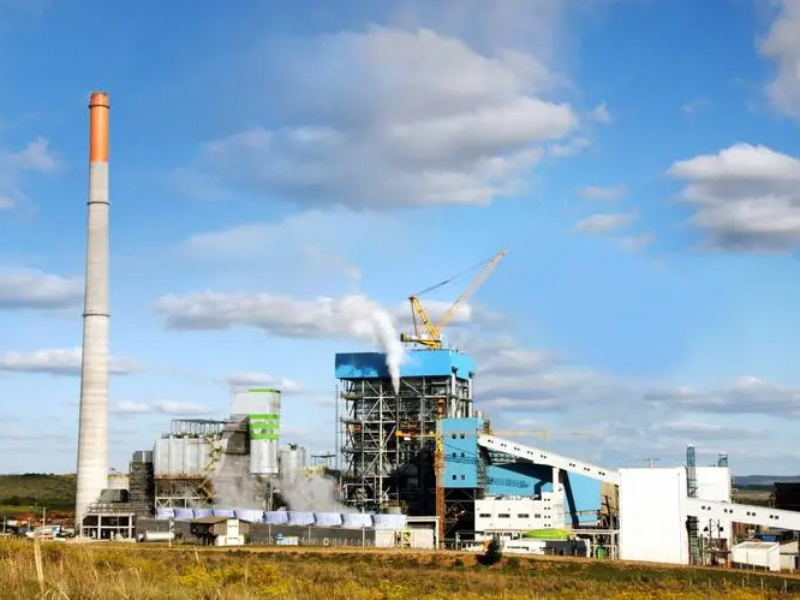
Desulfurization equipment can be broadly classified into several categories, primarily wet and dry systems. Wet desulfurization processes often utilize a slurry of alkaline materials to chemically absorb sulfur dioxide (SO2) from flue gases. This method is particularly effective in industries such as power generation, where large amounts of SO2 are produced. On the other hand, dry desulfurization systems employ dry sorbents, which can be injected into flue gas streams to capture sulfur compounds. This approach is often favored for its lower water consumption and waste generation.
The choice between wet and dry desulfurization technologies largely depends on various factors, including the specific requirements of the industrial process, the composition of the emissions, and local environmental regulations. For instance, wet systems, although effective, may generate wastewater that requires further treatment, while dry systems may require careful management of solid waste generated during the sulfur capture process.
Furthermore, advancements in desulfurization technology continue to emerge, with innovations aimed at improving efficiency and reducing the environmental footprint. For instance, the integration of catalytic processes can enhance the removal efficiency of sulfur compounds, leading to lower emissions. Additionally, the development of more effective sorbents and chemical processes can make desulfurization systems not only more efficient but also more cost-effective.
Incorporating desulfurization equipment into industrial operations is not just about compliance; it also brings potential economic benefits. By investing in effective SO2 removal systems, companies can avoid hefty fines associated with non-compliance, and improve their overall marketability as environmentally responsible entities. Moreover, a cleaner production process can lead to a better working environment and increased employee satisfaction, ultimately benefiting the organization as a whole.
In conclusion, desulfurization equipment is an indispensable component of modern industrial operations, particularly for industries with significant sulfur emissions. By understanding the different types of desulfurization technologies available, manufacturers can make informed decisions that enhance both compliance and operational efficiency. As environmental regulations continue to evolve, investing in effective desulfurization solutions will be crucial for industries aiming to maintain their competitive edge while contributing positively to environmental sustainability.
Previous page:



Contact Us
Cui Village, Fuzhen, Botou City, Cangzhou City, Hebei Province, China
Ask For A Quick Quote
We will contact you within one working day. Please pay attention to your email.