

-
AboutHebei Daniu Environmental Protection Dust Removal Equipment Co., Ltd. was established in September 2006, always focusing on the research and sales of environmental protection equipment and accessories.

-
ProductsAlways focused on the research and sales of environmental protection equipment and accessories. Provide comprehensive environmental dust removal solutions, including but not limited to industrial dust removal equipment, air purification equipment, noise control equipment, etc.
-
BlogWe adhere to the principle of integrity first and customer first, and strictly control the quality of our products from the whole machine to the small parts. Always focused on the research and sales of environmental protection equipment and accessories.

Enhancing Powder Transport Efficiency: The Role of Bucket Elevators
26-07-22
Summary:
In the industrial sector, specifically in applications involving the transportation of powdered materials, bucket elevators serve as a vital equipment choice. Designed to facilitate the vertical movement of bulk materials, bucket elevators are particularly effective for powders, which can be challenging to transport due to their fine particle size and flow characteristics. A bucket elevator typic
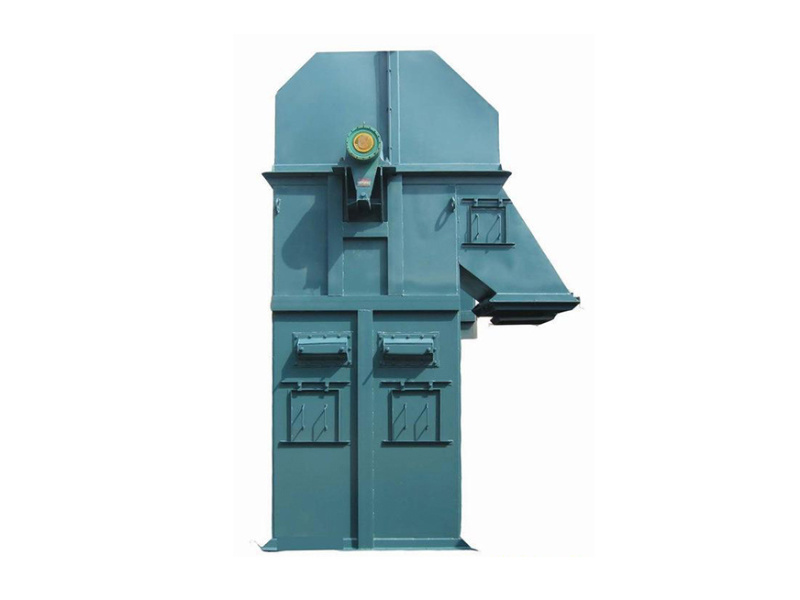
A bucket elevator typically consists of a series of buckets attached to a belt or chain, allowing for efficient lifting by scooping the powder and transporting it to a designated height. One of the key benefits of using bucket elevators for powder transport is their ability to handle a wide variety of powder types, including both free-flowing and cohesive powders. This versatility makes them suitable for numerous industries, including food processing, pharmaceuticals, and chemicals.
When considering the design of a bucket elevator for powder transport, several factors come into play. It is crucial to assess the material characteristics, such as bulk density, moisture content, and flowability, as these will influence the elevator's capacity and performance. The choice of bucket material and design is also significant; for instance, using plastic or stainless steel buckets can enhance resistance to corrosion and ensure hygiene, particularly in food-grade applications.
Another important aspect involves the elevator's configuration. The height, width, and incline angle can all affect how efficiently the powder is transported. A well-designed bucket elevator minimizes the risk of spillage and ensures smooth transfer, reducing downtime and maintenance needs. Additionally, the system should incorporate features such as all-weather covers and dust-tight designs to prevent contamination and ensure a clean working environment.
Moreover, the operational efficiency of bucket elevators can be further enhanced through regular maintenance and inspection. Keeping the system in optimal working condition not only extends its lifespan but also maximizes its efficiency in powder transport. Monitoring drive components, belt tension, and bucket wear are all essential practices that help maintain performance.
In conclusion, bucket elevators represent a reliable and efficient solution for powder transport in various industrial applications. With their adaptability to different powder types and operational environments, they play a crucial role in optimizing material handling processes. By considering design specifications, material properties, and maintenance practices, industries can leverage the full potential of bucket elevators to improve operational workflow and productivity.
Previous page:



Contact Us
Cui Village, Fuzhen, Botou City, Cangzhou City, Hebei Province, China
Ask For A Quick Quote
We will contact you within one working day. Please pay attention to your email.